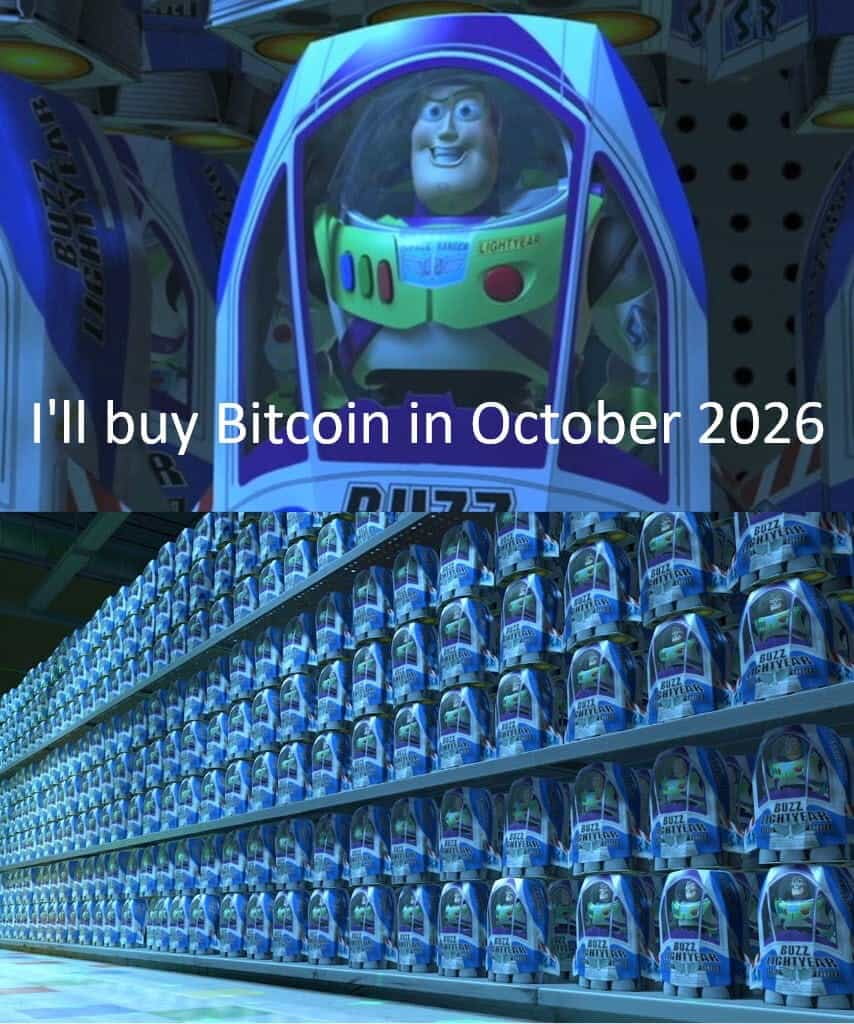
Everyone Called the Same Date. That’s the Problem.
Stack Up Everything That Went Wrong This Year
Here’s the case for treating this cycle’s low as already behind us, not still ahead. Run through what Bitcoin actually absorbed over the past several months, and ask honestly how much worse conditions would need to get to justify the $50,000-or-lower calls still floating around for October.
Strategy’s own chairman was a seller: Throughout 2026, and increasingly in the past few months specifically, Michael Saylor’s Strategy sold down meaningful portions of its Bitcoin treasury, formally abandoning its long-standing “never sell” posture. For a market that had spent years treating Strategy as the textbook example of unshakeable conviction, that was about as bearish a narrative as this cycle produced, and it got priced in in real time.
The Coldcard exploit was this cycle’s FTX: Not in scale, but in what it did to confidence. A firmware flaw silently draining self-custodied wallets people believed were completely secure struck at the exact foundation of why people hold Bitcoin directly in the first place. It was, for a meaningful stretch of retail sentiment, a genuine crisis of faith in the entire premise of ownership. And yet, critically, Bitcoin’s price made a higher low through it, not a lower one.
Iran conflict tensions rattled risk assets: Geopolitical shocks like this typically hit Bitcoin exactly the way they hit every other risk asset, sharp, fast, and painful, adding another layer of macro fear on top of an already fragile market.
Fear and Greed double-bottomed in the single digits: Sentiment cratered to among the lowest readings ever recorded on the index, roughly 5 out of 100, territory so extreme it stands alongside the COVID crash, Terra-Luna, and FTX as one of the handful of genuine “maximum fear” episodes in this market’s entire history.
And Still, It Held
What’s Left to Break It?
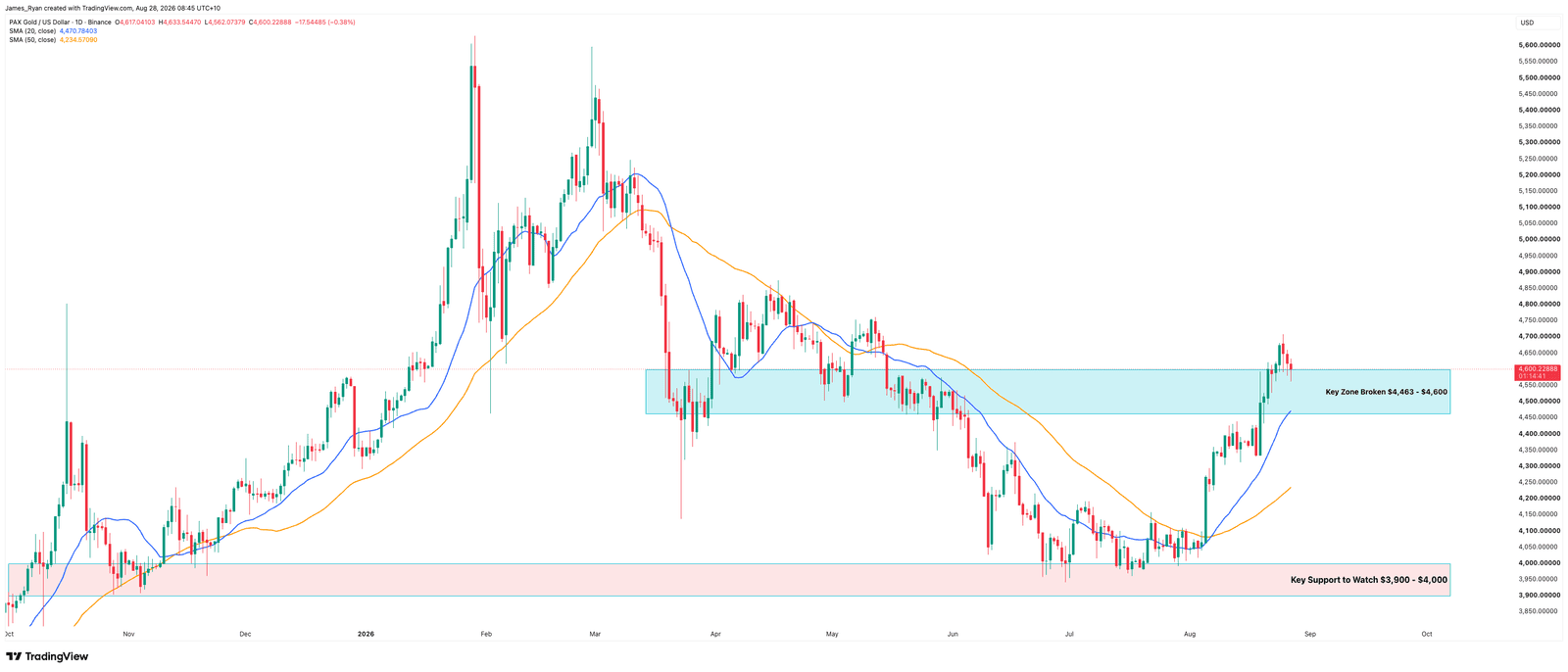
Stormrake Spotlight: Pax Gold (PAXG) ($4,600)