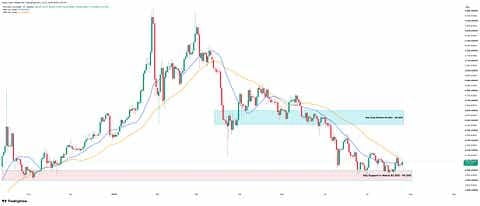
BitMEX officially announced on 23 July 2026 that it will permanently shut down all operations on 23 September 2026 at 04:00 UTC, concluding over 11 years of exchange history. This is a structured, orderly wind-down rather than market rumour. New account registrations have been halted immediately, with accounts shifting to position-reducing mode from 26 August prior to the final forced closure of remaining open positions in September. BitMEX invented the 100x leverage perpetual swap, establishing the foundation for modern crypto derivatives trading and processing over $3 trillion in cumulative volume at its peak. The exchange represents one of the most influential entities in digital asset history, making its departure a notable milestone.
Exchange Closures Historically Mark Cycle Lows
Market history demonstrates a recurring alignment where the death of major trading infrastructure coincides with macro cycle bottoms. Looking across previous cycles reveals three prominent historical precedents:
Mt. Gox (2014): The dominant exchange handling the majority of global BTC trades collapsed following an 850,000 BTC security breach, filing for bankruptcy in February 2014. Bitcoin traded near its post-collapse lows before embarking on an extraordinary multi-year rally of roughly +12,800% to its next cycle peak.
BitGrail (2018): The Italian exchange collapsed following a $170 million loss of Nano tokens during the depths of the 2018 bear market. The subsequent market recovery drove Bitcoin up approximately +2,100% into the next expansion peak.
FTX (2022): The collapse of the $32 billion exchange due to fund commingling marked a severe confidence shock in late 2022. Following this period of maximum fear, Bitcoin initiated a recovery that delivered a +715% gain to its subsequent cycle high.
Distinguishing Competitive Wind-Downs from Systemic Shocks
An objective analysis requires highlighting a key difference between current events and past market failures. Mt. Gox, BitGrail, and FTX all suffered sudden, catastrophic collapses driven by security breaches, fraud, or gross mismanagement. Those events acted as direct confidence shocks that actively deepened ongoing bear markets.
In contrast, BitMEX reports zero customer fund losses to security breaches across its entire 11-year history. The closure stems from shifting market share, as competitors such as Binance, Bybit, and OKX developed refined liquidity offerings and lower fee models. Having lost user volume over multiple years and following unsuccessful acquisition discussions, the board selected an orderly shutdown. A calm competitive exit carries a different psychological impact than a sudden loss of customer deposits, meaning it should not be treated as a direct equivalent to catastrophic failures.
Furthermore, three historical instances represent a relatively modest sample size. While the visual alignment on charts remains compelling, historical patterns offer valuable context rather than any absolute guarantees.
A New Name in the Graveyard, History Rhymes Once Again
The pattern remains clearly documented across historical charts. While BitMEX exits without the panic of its predecessors, the underlying market dynamic remains consistent. The disappearance of legacy infrastructure typically indicates that a market has endured sufficient consolidation to force final capitulation. These periods of structural resets have historically provided the foundation for Bitcoin’s strongest expansion phases in the years to come after.
Navigating these structural market resets requires disciplined capital positioning. Connect with your dedicated Stormrake broker today to bypass short-term headlines and position your digital asset holdings for the next macro expansion cycle through direct spot execution.
Stormrake Spotlight: Pax Gold (PAXG) ($4,085)